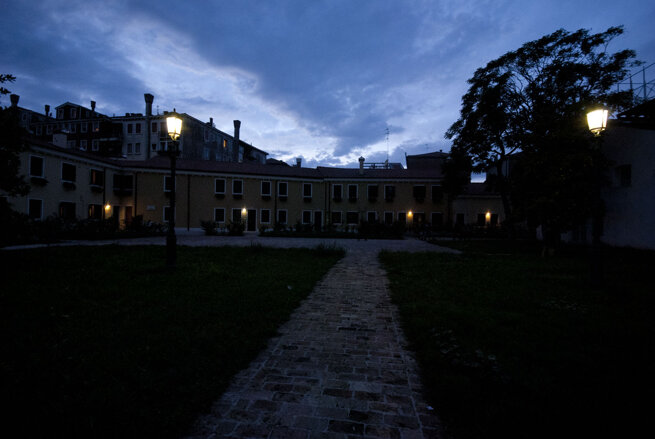


Alberghiera Venezia
Cannaregio 539B
Corte del Bagolaro, 30121 Venezia
CIN: IT027042B4JKLC2J47
For info and Booking:
info@alberghieravenezia.it
+39 041 522 7678
THE CITY ON THE WATER
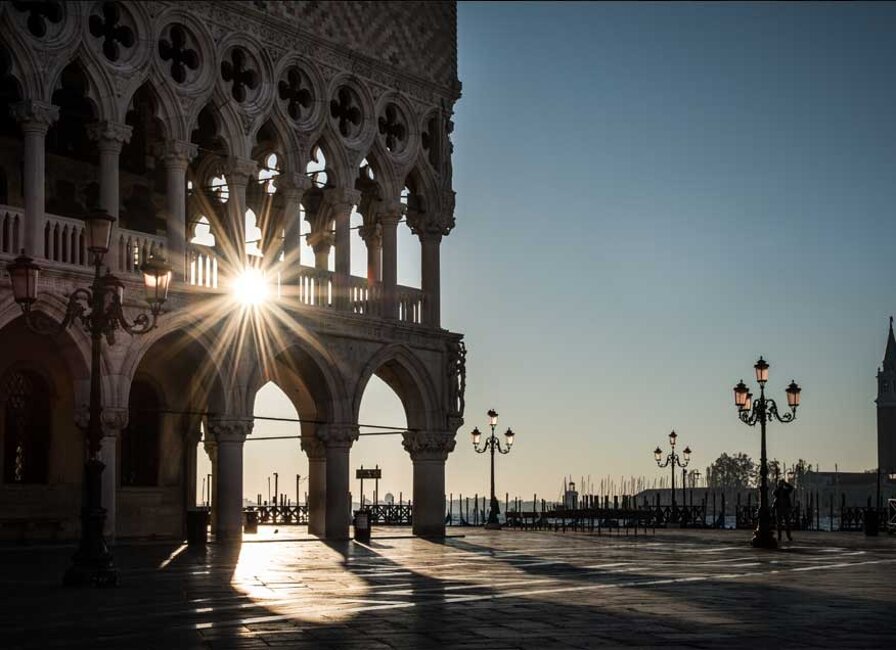
To discover an unforgettable Venice, from the most famous places that tell its story to the lesser-known gems, even in a single day
The Serenissima:
unique city in the world
Palaces, churches and monuments


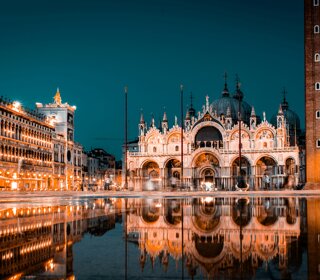
St Mark's Basilica
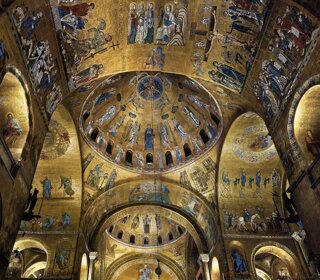
A Byzantine masterpiece known as the "Golden Church," it is one of Venice's most iconic symbols and an essential stop on any visit to the city. Located in the splendid St Mark's Square, next to the Bell Tower, the Ducal Palace and its complex system of cells and prisons, it represents the religious and artistic heart of the Serenissima. Its architecture mixes Byzantine, Romanesque and Gothic influences, evidence of Venice's millennia-old ties with the East.
The interior of the Basilica is breathtaking: over 8,000 square meters of gilded mosaics tell stories of the Bible and the life of St. Mark the Evangelist, whose relics have been kept here since the 9th century. Don't miss the Pala d'Oro, a masterpiece of Byzantine goldsmithing embellished with over 1,900 gems, the Treasury, and the Museum of San Marco, from which you can admire the mosaics from above and a spectacular view of the square, as well as observe the famous quadriga of bronze horses in the loggia, loot brought to Venice from Constantinople.
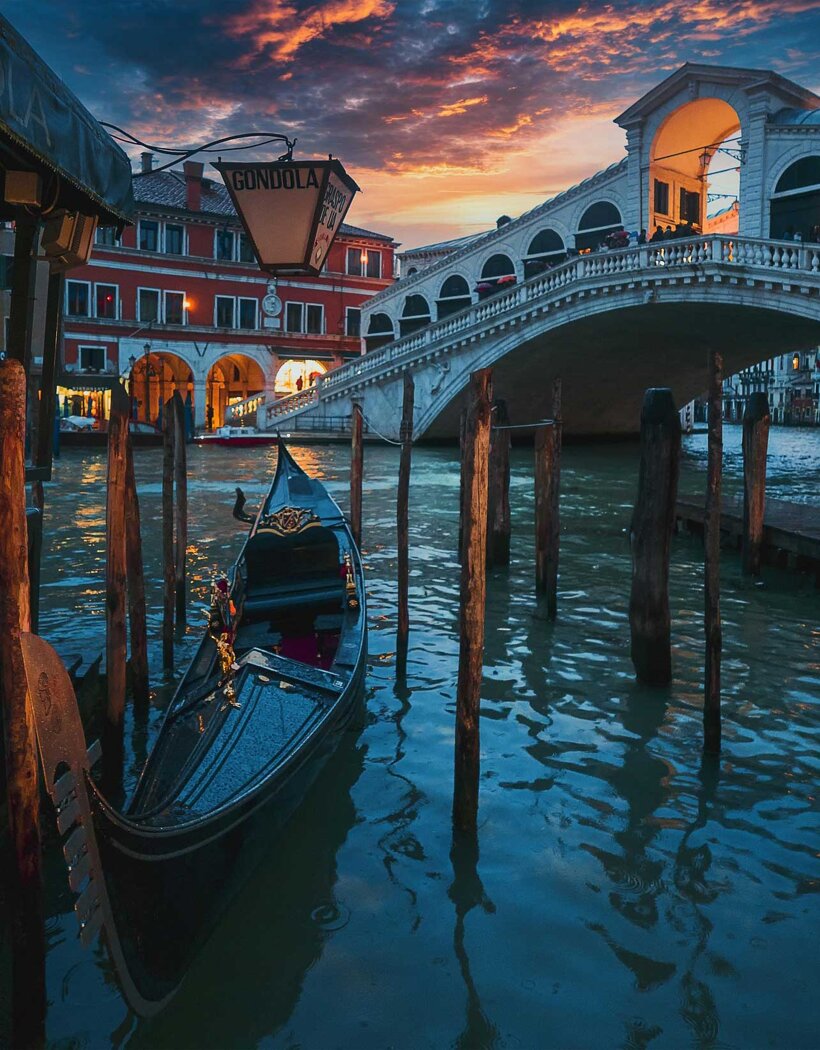
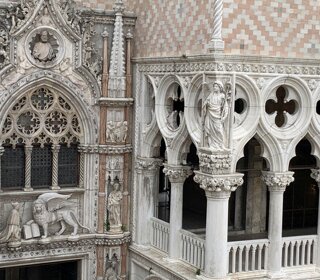
The Ducal Palace
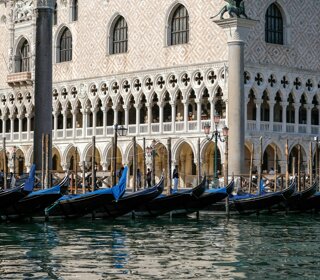
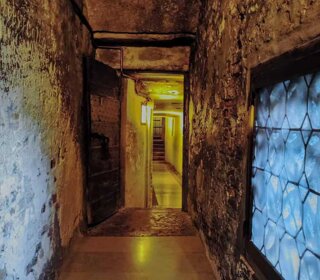
Adjacent to St. Mark's Basilica we have the Ducal Palace, one of the symbols of the city as the seat of the Doge and the state magistrates, founded in 812. Today it is possible to visit almost the entire Ducal Palace, and it is certainly one of the things recommended if you really want to know the history of the Serenissima. You can also visit the halls of power, where the Great Council, the highest political body of the Serenissima, met, and then there are the Doge's apartments and hidden treasures. For those more interested in a new and evocative route, there is the secret itinerary, including narrow walkways, secondary stairs, terrible prisons, the Inquisition tribunal, and then the passage across the magnificent Bridge of Sighs, which did not appear so splendid to those who crossed it to be locked in a cramped and crowded cell. At the Ducal Palace you can also take night tours, visit temporary exhibitions, always of great interest and current events, and learn about the stories of the illustrious figures who have passed through here, such as the seductive Giacomo Casanova, a libertine and cunning Venetian! From the windows of this republican palace the view is unparalleled: none other than the St. Mark's Basin and the Venice lagoon from a privileged perspective.
St. Mark's Square and the Bell Tower
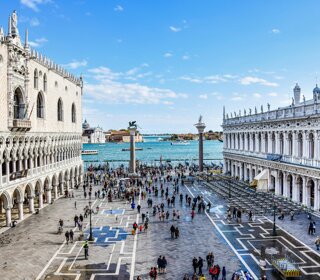
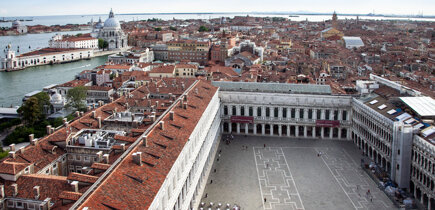
St. Mark's Square is locatedin the heart of Venice. It is 180 meters long and 70 meters wide and it's the only square in Venice, as the city has only fields, small fields and a square (Piazzale Roma).
It was built in the 9th century and paved in 1177, 100 years after its construction.
St. Mark's Square is the lowest area in Venice and, therefore, is the first area to flood with high water. In these cases, the municipality of Venice installs walkways, to allow the regular transit of pedestrians.
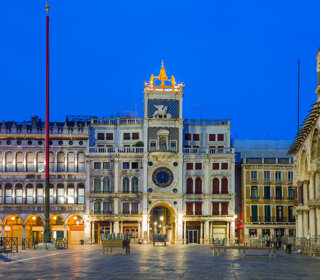
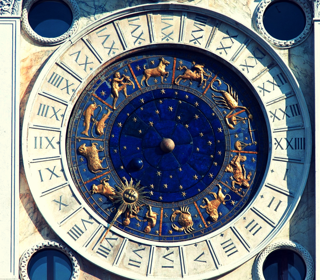
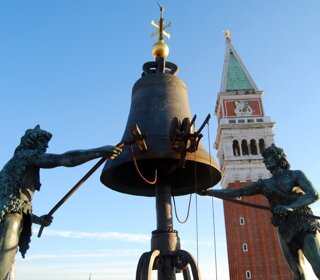
One of the most important and elegant salons in the world, so much so that Napoleon called it "the most beautiful hall in Europe", overlooked by the Ducal Palace, the Basilica and St. Mark's Bell Tower (known as "el paron de casa"), the procuratie, the Clock Tower and the bell tower of the Moors, and the Marciana Library.
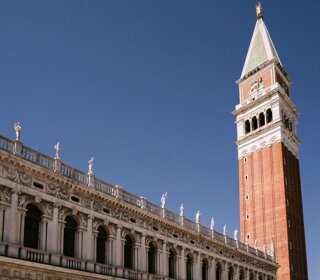
The St. Mark's Bell Tower, at almost 100 meters high, is the perfect place to enjoy the unique experience of admiring Venice from above, embracing all its beauty with your gaze. Located in the beating heart of St. Mark's Square, it offers breathtaking panoramic views of Venice, its streets, canals, and the lagoon's main islands: Murano, Burano, and Torcello.
Climbing to the top, thanks to the comfortable elevator, you can observe the city from a privileged perspective, capturing the most fascinating details of the Serenissima. From the magnificent St. Mark's Basilica to the majestic Ducal Palace, every corner of Venice will reveal itself in all its magnificence.
The Bridges
The Museums
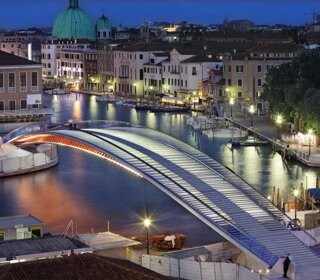
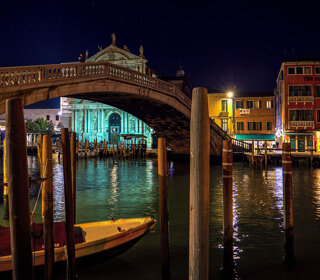
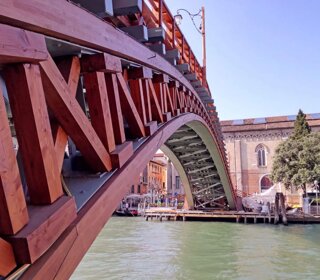
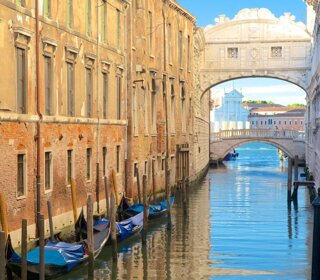
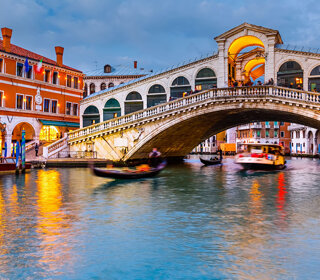
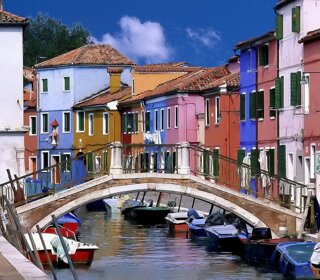
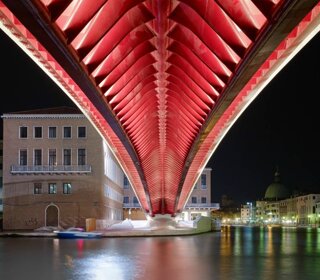
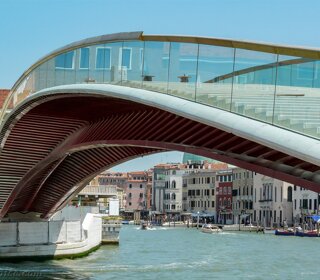
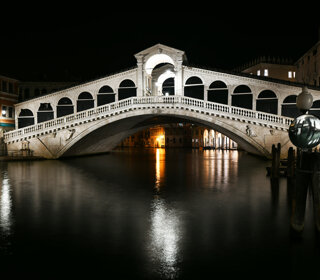
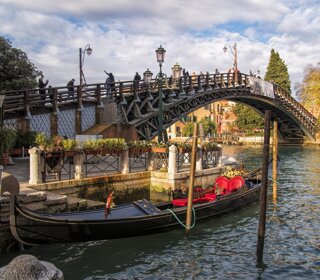
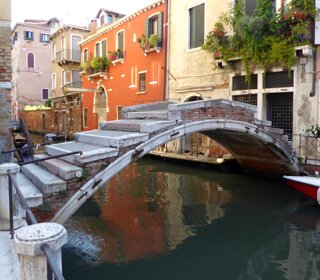
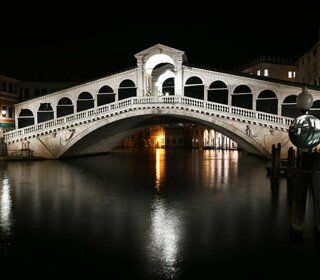
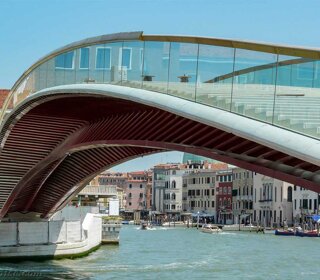
Venice has over 400 bridges, initially made of wood and then stone, connecting around a hundred islands crossing over 150 canals. The most famous are the monumental Rialto Bridge (the oldest on the Grand Canal), the Bridge of Sighs, the Academy Bridge and the modern Constitution Bridge. Most have steps, while the Chiodo Bridge is famous for being among the few without parapets.
RIALTO BRIDGE: an icon of the city, with the small church of San Giacometto (which is traditionally the oldest in Venice), the colorful fruit and vegetable market and the folkloristic fish market, it is the oldest (made of stone since 1591) and crosses the Grand Canal with a 28-meter arch.
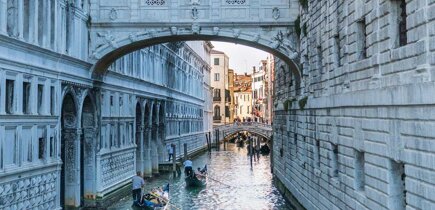
BRIDGE OF SIGHS: built of Istrian stone, it connected the Ducal Palace to the New Prisons. The name evokes the sighs of the condemned.
ACADEMY BRIDGE: one of the four bridges over the Grand Canal, famous for its wooden structure offering spectacular panoramic views.
CONSTITUTION BRIDGE (or Calatrava's Bridge): inaugurated in 2008, it connects the train station to Piazzale Roma in a modern glass and steel style.
SCALZI BRIDGE: located near the station, it is another of the main crossings of the Grand Canal.
CHIODO BRIDGE: located in Cannaregio, it is one of the very few bridges left without parapets (original structure of Venetian bridges).
PUGNI BRIDGE: known for the historic fist fights between rival factions (Castellani and Nicolotti) during Carnival.
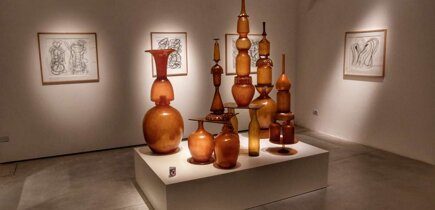
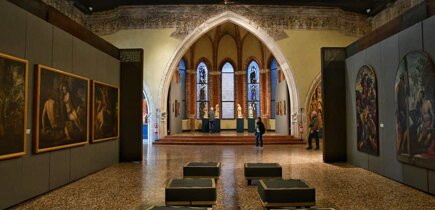
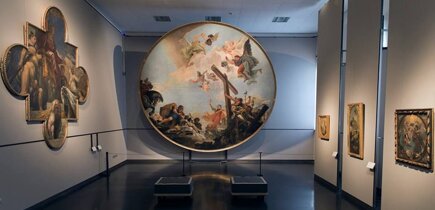
In Venice, the cultural and museum choice is varied, unusual and captivating.
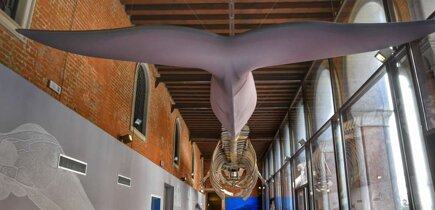
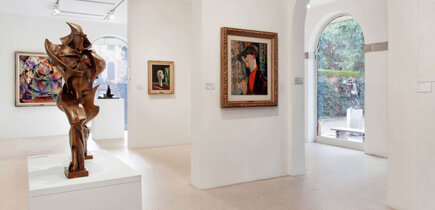
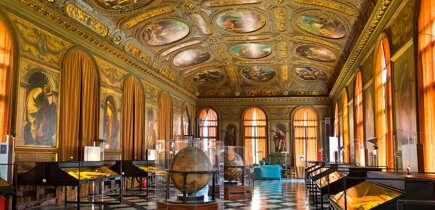
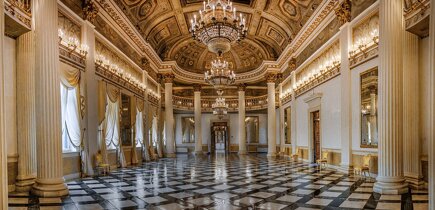
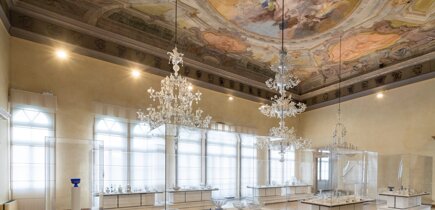
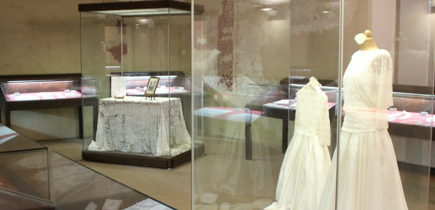
The Correr Museum, one of the most important on the island, located in the San Marco district, like few others here, illustrates the art, civilization, and history of the island. It is part of the Civic Museums of Venice foundation, which also includes others, such as the Murano Glass Museum, the Burano Lace Museum, the Natural History Museum, and the International Gallery of Modern Art.
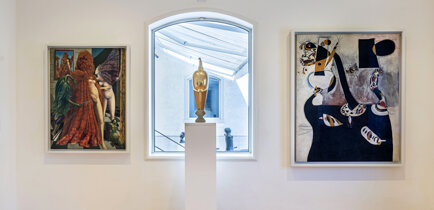
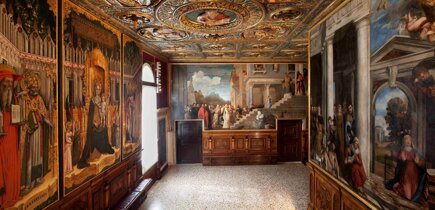
Also worth a visit are the Scuola Grande di San Rocco, an ancient building located in the San Polo district, the Accademia Galleries, located in the Dorsoduro district, and of great interest is the Peggy Guggenheim Collection, located in the Venier dei Leoni Palace.


The Sestieri
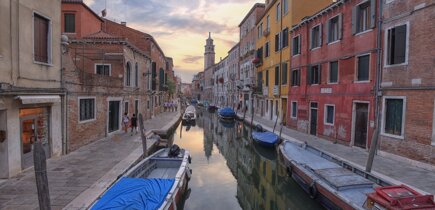
When you talk about the neighborhoods of Venice, you enter a world apart. Here the streets are called "calli", the squares "campi" and the streets along the canals "fondamente". But the real distinguishing feature is the division into sestieri: six ancient districts that define the very soul of the Serenissima.
The word "sestiere" derives from the Latin "sextarius" and indicates a division into six parts. Each sestiere was a small autonomous town, with its own churches, markets, traditions. Even today, while touring Venice, you can still perceive this ancient identity. Each of these sestieri guards a different face of the city.
SAN MARCO
It is the beating heart of the city, where the main wonders of Venice are concentrated. Here you will find the spectacular St. Mark's Square, dominated by the Golden Basilica with its glittering mosaics, and the imposing Ducal Palace. Don't miss the climb to the St. Mark's Bell Tower to admire one of the most exciting views of the lagoon.
CANNAREGIO
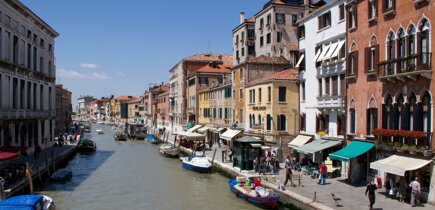
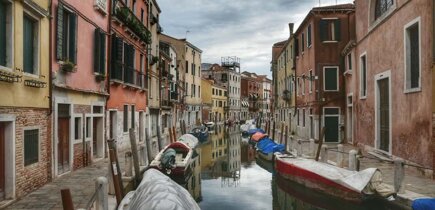
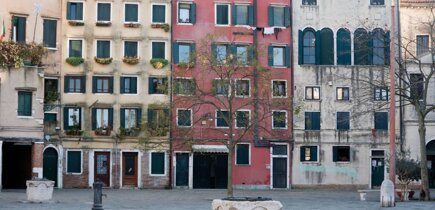
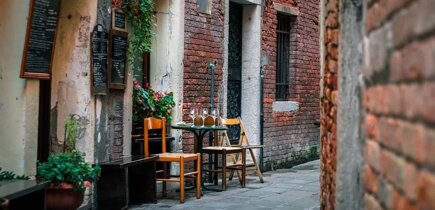
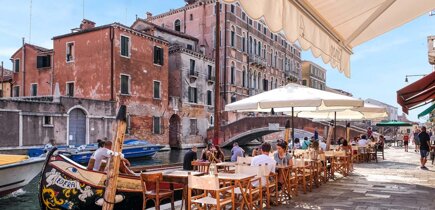
The Cannaregio district is one of the most authentic and lively, still inhabited mainly by Venetians. Here is the Jewish Ghetto, the first in European history, with its ancient synagogues and the famous Strada Nova. Strolling along Cannaregio's fondamente, among bacari and small shops, is a true dive into the most authentic Venice.
DORSODURO
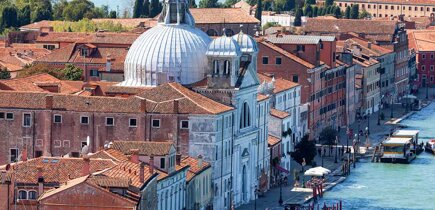
Elegant and refined, Dorsoduro is the art district. It houses the Peggy Guggenheim Collection, one of the most important collections of modern art in the world, and the magnificent Accademia Galleries. From here it is also easy to reach picturesque Giudecca, with its breathtaking views of the city.
CASTELLO
The Castello district is the largest and the one that has retained its popular spirit the most. Home to the Venice Biennale and the Biennale Gardens, Castello offers quiet green corners perfect for a stroll away from mass tourism. Also not to be missed is the imposing Arsenal, cradle of Venetian naval power.
SANTA CROCE
Santa Croce is the quietest and least touristy neighborhood, but it is also the gateway to the city. Piazzale Roma, the terminal for cars and buses, is located here, as well as the maritime station. But entering its calluses reveals charming corners, small fields and hidden churches.
SAN POLO
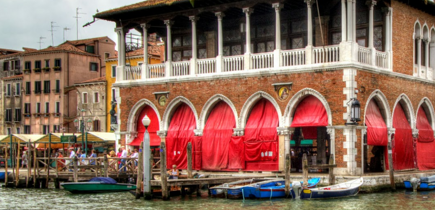
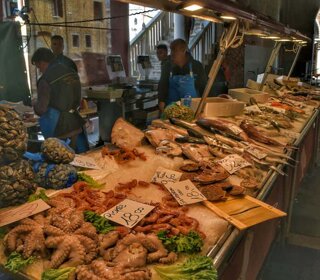
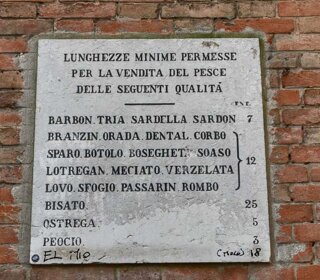
San Polo is famous for its historic Rialto Bridge and the picturesque Rialto Market, which still comes alive every morning today. It is the perfect district to discover the authentic Venice of merchants and artisans, among “cicchetti”, taverns and traditions that stand the test of time.
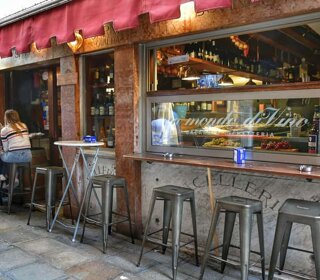
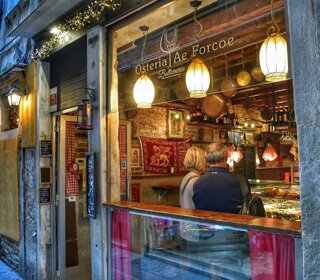
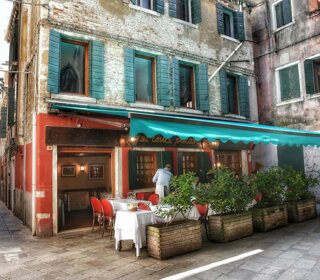
Typical places
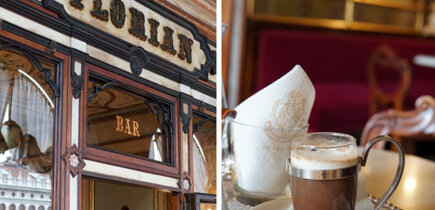
The Caffè Florian
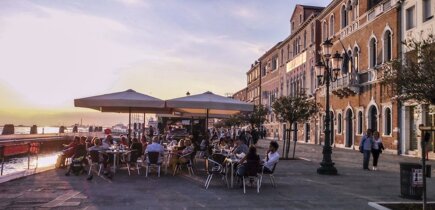
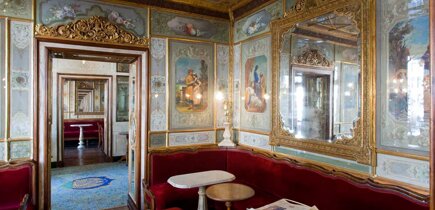
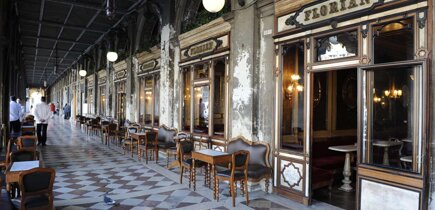
Among the world's best-known establishments, beloved by the international jet-set, Caffè Florian is a true institution, one of the few places where you can relive the sought-after and dreamy atmospheres of turn-of-the-century cafes.
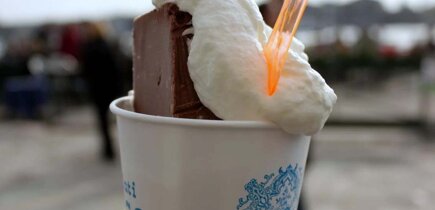
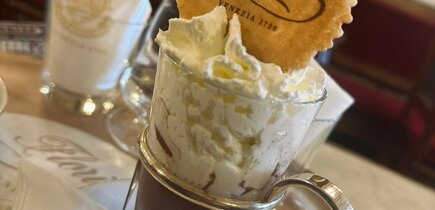
Located under the arcades of the Procuratie Nuove in St. Mark's Square, the "coffee shop" founded in 1720 is today the oldest café in the world, where it is a must, at least once, to take the time for excellent coffee but also for the delicious chocolate in a cup, called "the Indian broth".
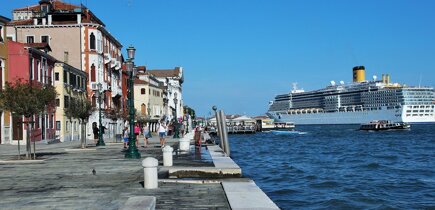
The Zattere
They are the very long foundation that reaches Punta della Dogana from San Basilio, skirting the wide Giudecca canal, and which for centuries was the landing shore for rafts for transporting timber from the mountains (hence the name Zattere). Today it is one of the most beautiful walks in Venice, with bars and trattorias, and from here you can admire in a single panorama the opposite side of the island of Giudecca, where Venetians love to pick up the Gianduiotto from Gelateria Nico or an aperitif at the Chioschetto.
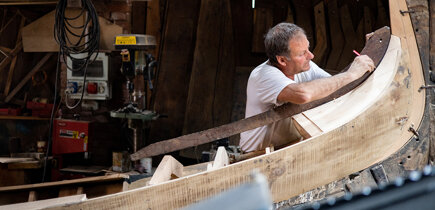
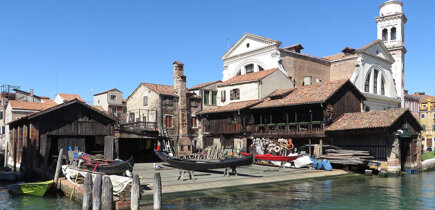
The Squero
The construction site where the gondolas are built, of which today only 5 remain active throughout the city. The most famous is the squero of San Trovaso which stands along the stream of the same name and dates back to before the seventeenth century. The building that houses it has the typical shape of mountain houses, an exceptional circumstance for Venice. The reason is twofold: on the one hand, both the carpenters and the construction timber came from Cadore, on the other, the slope of the forecourt and the canopy that partially covers it were useful in case of rain, as well as a storage area for work tools.

Excursions
Gondola Tour
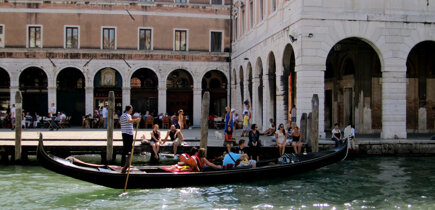
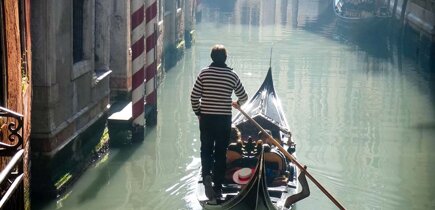
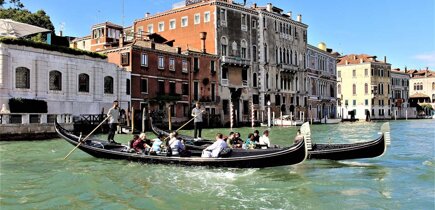
A unique emotion, to be felt at least once in your life! This is the feeling you get at the end of a gondola ride in Venice. Along the entire Grand Canal, near the majestic Rialto Bridge, opposite St. Mark's Square, or beneath the Bridge of Sighs; in every corner of Venice, even among its smaller canals, you can often admire the elegance of a gondola and be amazed by the mastery of the gondolier, in classic blue and white mise, who leads it. An evocative and relaxing gondola ride along Venice's canals remains the most exciting and traditional experience to enjoy the colors, lights, places, and charm of this unique city, taking in elegant palaces up close, passing under unique bridges, and breathing in the magical atmosphere that only this city built on water can provide.
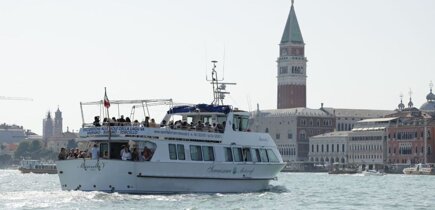
Tour of the Murano, Burano and Torcello Islands
Halfway between East and West, the Venice lagoon was a safe haven for fishermen and pilgrims. On the border between myth and legend, between land and sea, one of its most illustrious figures arrived here, Saint Mark, patron saint of the city.
A guided tour to visit the lagoon's most famous islands while sailing comfortably in a boat is the best way to immerse yourself in the history, scents, and colors of a prestigious past that is still very present.
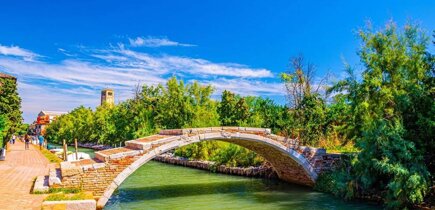
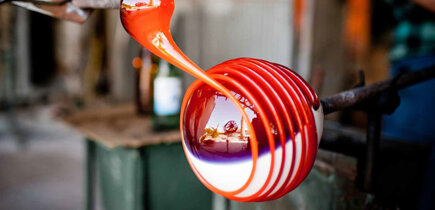
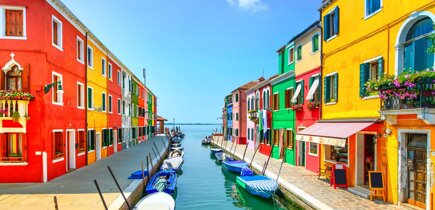
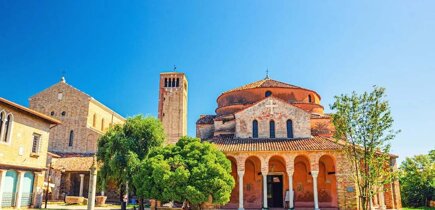
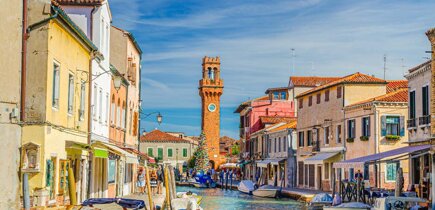
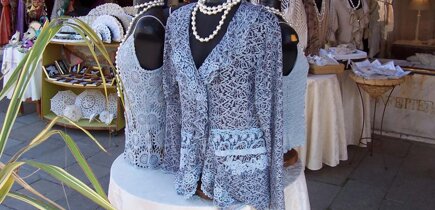
In Murano, you can visit one of the historic kilns to observe up close the magic of blown glass that has made it famous throughout the world. Continuing towards Burano you literally find yourself in another reality that tells the story of its fishermen and the art of its lace magically immersed in an indescribable blaze of colors. Finally, Torcello, today solitary, almost undisturbed, but still rich in precious treasures such as its splendid Cathedral, where the Republic of Venice began its thousand-year history and the Devil's Bridge with its legend of souls.
Bacari Tour
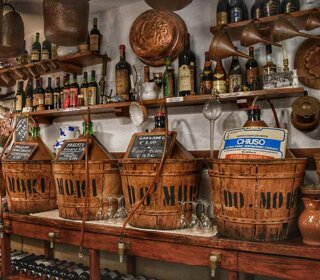
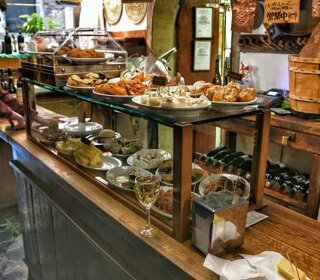
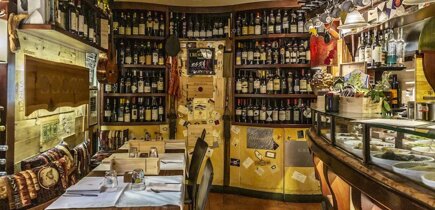
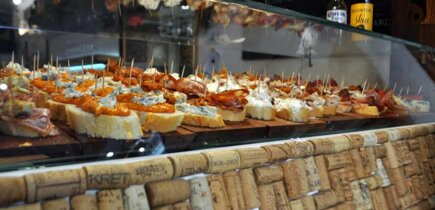
The "Bacaro Tour" is the most authentic way to experience Venice, a tour of traditional taverns ("bàcari") tasting "cicchetti" (small appetizers) and drinking "ombre" (glasses of wine) or spritz. It's a typical social ritual, often performed between the San Polo, Rialto, and Cannaregio districts, ideal for discovering hidden Venice and enjoying specialties like creamed cod and meatballs.





Sign up for the newsletter to stay up to date on all news, events, and promotions.